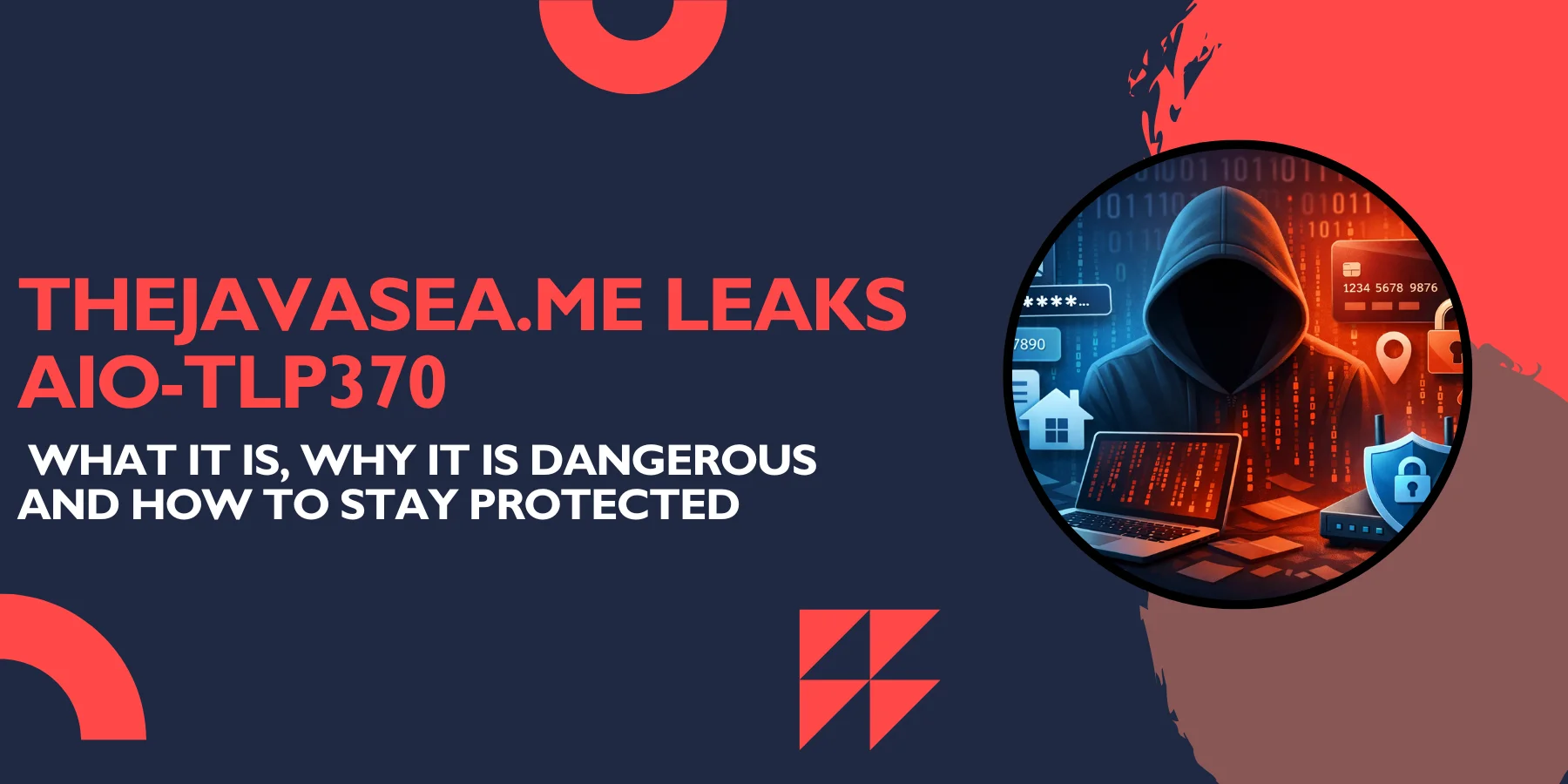
In today’s digital world, information spreads faster than most people can verify it. One such example making rounds across online discussions is the term “thejavasea.me leaks aio-tlp370”. At first glance, it looks technical and mysterious, but in reality, it raises more concerns about cybersecurity, data privacy, and online safety than it provides clarity.
To understand it properly, we need to step back and look at what such “leak” labels usually represent, why they appear, and what risks they bring to everyday internet users.
Understanding the Context Behind “Leaks” Like aio-tlp370
When phrases like aio-tlp370 or similar coded tags appear alongside a domain name, they often refer to collections of data that are allegedly shared or distributed online without authorization. These could include:
- Compiled databases
- Stolen credentials
- Private user information
- Scraped or repackaged digital content
However, the important thing to understand is that such labels are rarely transparent or officially verified. They are often circulated in fragmented online spaces, making it difficult to confirm authenticity.
In many cases, these terms are used more as buzz identifiers than legitimate classifications.
Why People Search for Terms Like This
Curiosity plays a huge role here. People usually search for these keywords because they:
- Heard about a possible data breach
- Saw it trending on forums or social media
- Want to verify if their data is affected
- Are trying to understand cybersecurity risks
From an SEO perspective, these queries spike because users want quick answers, but the information available is often inconsistent or misleading.
User Impact: A Real-World Data Breach Situation
In my experience working around digital security awareness content, I once came across a situation where users discovered their email addresses circulating in a leaked dataset. Most of them didn’t even know where it originated.
They began receiving:
- Suspicious login attempts
- Spam messages with personal details
- Fake password reset emails
The damage wasn’t caused by the leak itself alone—it was the aftershock of exposure. That’s the real danger of datasets like the one associated with “thejavasea.me leaks aio-tlp370.”
Even if users never directly interacted with the source, their data may still be misused elsewhere.
Why Such Leaks Are Dangerous
Whether verified or not, the concept of leaked datasets carries serious risks:
- Identity theft attempts
- Credential stuffing attacks
- Phishing campaigns
- Malware distribution via fake download pages
- Long-term privacy exposure
Once data appears online in any leaked form, it is nearly impossible to fully remove it. It often gets mirrored, redistributed, and reused across multiple platforms.
Comparison: Safe Data vs Leaked Data Exposure
Here’s a simple breakdown to understand the difference between secure environments and risky leak-based exposure:
| Factor | Secure Platforms | Leaked Data Sources |
|---|---|---|
| Data Control | Fully managed & protected | No control once exposed |
| Verification | Verified & encrypted | Often unverified or altered |
| User Safety | High security standards | High risk of misuse |
| Legal Status | Fully legal | Often illegal or unauthorized |
| Longevity | Stable and maintained | Spread unpredictably |
This comparison highlights why interacting with or trusting leaked datasets is extremely risky, even if they appear “informational.”
The Hidden Cybersecurity Angle
The keyword User Impact: A Real-World Data Breach Situation reflects a broader issue in the digital ecosystem: the normalization of data leaks as searchable content.
Cybercriminal ecosystems often rely on:
- Repackaging stolen datasets
- Assigning labels or codes for identification
- Circulating them across hidden networks or forums
But for everyday users, the key takeaway is simple: if data is labeled as “leaked,” it should automatically be treated as unsafe and unverified.
A Personal Observation on Digital Behavior
One thing that stands out in today’s internet behavior is how quickly people trust viral terms without questioning their origin. I’ve seen users share screenshots or references to “leaks” without realizing they might be amplifying misinformation or unsafe content distribution.
That habit alone can unintentionally contribute to the spread of harmful material.
How to Protect Yourself Online
Instead of focusing on the leak itself, the smarter approach is strengthening personal cybersecurity habits:
- Use strong, unique passwords for every account
- Enable two-factor authentication (2FA)
- Monitor accounts for unusual login activity
- Avoid downloading unknown files or databases
- Regularly check if your email appears in known breaches
- Keep devices updated with security patches
These steps significantly reduce exposure risk even if your data appears in a compromised dataset.
Why Keywords Like This Trend
Search terms like thejavasea.me leaks aio-tlp370 trend because:
- People are curious about “hidden” or “exclusive” data
- Leaks create urgency and fear-based engagement
- Social platforms amplify mysterious keywords
- Cybersecurity incidents often lack clear explanations
But high search volume does not always mean reliable information exists behind it.
The Reality Behind Such Leak Names
Most of the time, these structured names (like aio-tlp370) are:
- Internal labels used in underground sharing groups
- Random identifiers created for categorization
- Misleading tags to attract attention
There is rarely any official documentation or verified source explaining them clearly.
Ethical and Legal Perspective
Accessing or distributing leaked data is not just risky—it can also be illegal depending on jurisdiction. Even viewing such content knowingly can expose users to:
- Legal consequences
- Device compromise
- Account breaches
- Ethical concerns around privacy violations
The safest approach is to avoid engaging with such content entirely and focus on verified cybersecurity education.
Read More: TheTechnoTrick.com Guide: Features Insights & Review AI
Conclusion
The term thejavasea.me leaks aio-tlp370 represents more of a digital rumor or labeling pattern than a clearly defined, verified data source. While it may attract attention due to its mysterious structure, the real issue lies in what it symbolizes—ongoing challenges in data privacy and cybersecurity.
Instead of trying to explore or validate such leaks, users benefit far more from understanding how to protect themselves, recognize phishing attempts, and maintain strong digital hygiene. In an era where data spreads instantly, awareness is the strongest defense.
FAQs
1. What is thejavasea.me leaks aio-tlp370?
It appears to be a label circulating online referring to an alleged leaked dataset, but its authenticity is not verified.
2. Is this leak safe to access?
No. Any leaked or unauthorized data can pose serious cybersecurity and legal risks.
3. Why are such leaks shared online?
They are often circulated in underground communities or forums for attention, exploitation, or misuse.
4. Can leaked data harm me even if I didn’t download it?
Yes. If your data is included in a breach, it can still be used for phishing or identity theft.
5. How can I check if my data is compromised?
You can use trusted breach-checking tools and monitor your accounts for suspicious activity regularly.