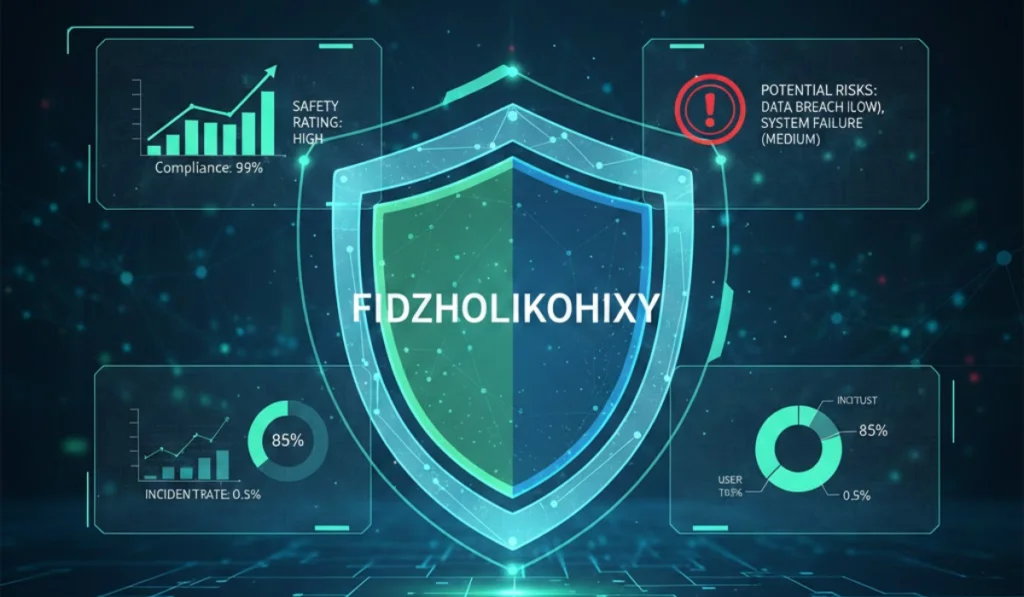
The internet is full of unfamiliar tools, platforms, and digital names that appear suddenly in searches, downloads, or online discussions. One term that has recently raised curiosity is “is fidzholikohixy safe.” When people encounter a strange application, service, or file name online, the first instinct is to check whether it is secure or potentially harmful.
Online safety has become more important than ever. With malware, phishing scams, and suspicious downloads spreading quickly across the web, users need to evaluate unknown platforms carefully. If you have been wondering whether fidzholikohixy is safe to use, this guide will help you understand the potential risks, warning signs, and steps to protect yourself.
Understanding What Fidzholikohixy Might Be
Before determining safety, it’s important to understand what this term could represent. In many cases, unfamiliar keywords like fidzholikohixy appear in connection with:
-
Unknown software downloads
-
Newly listed online tools
-
Suspicious files or browser extensions
-
Random names used in spam links or malware campaigns
Sometimes such names are simply experimental software or niche tools. Other times, they may be generated names used by malicious actors to disguise harmful programs.
Because of this uncertainty, users should treat unknown software cautiously until reliable information confirms its legitimacy.
Why People Search “Is Fidzholikohixy Safe?”
When a new or unfamiliar digital term appears online, several concerns usually arise. People search for safety information because they might have encountered the name in one of the following situations:
-
A download link appeared while browsing
-
A website recommended installing it
-
An email attachment included the file name
-
A forum mentioned the tool without clear explanation
In many cases, curiosity mixes with concern. People want to confirm that installing or interacting with the software will not harm their device or compromise their data.
From my own experience researching unfamiliar downloads, I’ve learned that if something appears online without clear documentation or trusted sources, it’s always worth investigating before clicking anything.
Signs That a Tool or Platform Might Not Be Safe
When evaluating whether a platform like fidzholikohixy is safe, there are several common warning signs to watch for. These indicators can help determine if a program or website should be avoided.
1. Lack of Official Information
Legitimate software usually has:
-
An official website
-
Clear documentation
-
Verified developer information
-
User reviews or community discussions
If none of these exist, the platform may not be trustworthy.
2. Suspicious Download Sources
Downloads hosted on random file-sharing sites or unfamiliar domains often indicate higher risk.
3. Antivirus Warnings
Security tools may detect unusual behavior, such as:
-
Hidden installation processes
-
Unknown background activities
-
Requests for unnecessary permissions
4. No Online Reputation
When a search returns almost no credible references or only vague mentions, caution is necessary.
A Practical Case Study of Online Security Concerns
Imagine a typical situation:
A student searching for a free productivity tool finds a website offering a “special utility” called fidzholikohixy. The page promises improved performance and extra features but provides very little detail about the developer.
Curious, the student downloads the file. Shortly after installation, the computer begins showing unexpected pop-up ads, and the browser homepage changes automatically.
This scenario illustrates how unknown tools can sometimes be disguised as helpful utilities while actually installing adware or unwanted programs.
Not every unfamiliar tool is malicious, but this example highlights why caution matters.
Comparing Unknown Tools with Trusted Software
One effective way to evaluate safety is to compare the characteristics of trusted software with unknown tools.
| Feature | Trusted Software | Unknown Tools Like Fidzholikohixy |
|---|---|---|
| Developer Information | Public and verified | Often unclear or hidden |
| Official Website | Professional and detailed | Sometimes missing |
| User Reviews | Available on multiple platforms | Rare or nonexistent |
| Security Checks | Passes antivirus scans | May trigger warnings |
| Update Support | Regular updates | Limited or unknown |
This comparison helps illustrate why many users hesitate before installing unfamiliar programs.
How to Check If a Program Is Safe
If you encounter something like fidzholikohixy online, several steps can help verify its safety before installing or using it.
Research the Name Thoroughly
Search for the tool across multiple sources, including:
-
Tech forums
-
Security blogs
-
Software review websites
Reliable feedback from other users can reveal whether the tool is legitimate.
Scan the File Before Opening
Upload the file to a trusted malware scanner or scan it with antivirus software to detect threats.
Check the Website Reputation
Security services can show whether a domain has been flagged for suspicious activity.
Avoid Giving Sensitive Permissions
If an application asks for unnecessary access—such as full system control or personal data—it should raise concerns.
Why Cyber Awareness Matters
Modern internet users encounter thousands of new digital tools every year. Some are innovative and helpful, while others exist purely to exploit curiosity.
Learning to evaluate unfamiliar names, like fidzholikohixy, helps prevent problems such as:
-
Malware infections
-
Identity theft
-
Data loss
-
Financial scams
The key is developing a cautious mindset rather than blindly trusting every download or link.
Smart Practices for Staying Safe Online
To reduce risk when dealing with unknown software or platforms, consider following these simple safety habits.
1. Download only from trusted sources
Official websites and reputable app stores are much safer than random links.
2. Keep security software updated
Modern antivirus tools detect many threats automatically.
3. Avoid suspicious emails or attachments
Phishing campaigns often distribute harmful files with random names.
4. Read user feedback before installing anything
Community reviews often reveal hidden issues.
5. Use a secondary test environment if possible
Advanced users sometimes test unknown software in a virtual machine before installing it on their main device.
These practices dramatically reduce the chance of encountering harmful programs.
Also Read: Xierzugicoz2005 Explained: Meaning, Safety & Use Guide
Conclusion
When people search “is fidzholikohixy safe,” they are usually responding to an unfamiliar name that appeared somewhere online. Without reliable documentation or confirmed sources, it is difficult to guarantee the safety of any unknown program.
The safest approach is always to research carefully, scan files before installing them, and avoid downloading software from questionable websites. By applying basic cybersecurity awareness, users can protect their devices and personal information from potential threats.
The internet offers incredible tools and resources, but staying cautious ensures that curiosity never turns into a costly mistake.
FAQs
What is fidzholikohixy?
Fidzholikohixy appears to be an unfamiliar digital term that may refer to software, a file name, or an online tool. Because reliable information is limited, users should investigate carefully before interacting with it.
Is fidzholikohixy safe to download?
There is no widely verified information confirming its safety. Users should scan files with antivirus software and avoid downloads from untrusted sources.
How can I check if a program is safe?
You can check safety by researching reviews, scanning files with security software, verifying the developer, and downloading only from trusted platforms.
What should I do if I installed a suspicious program?
If you suspect a program may be unsafe, run a full antivirus scan immediately and remove the application if any threats are detected.
Why do random software names appear online?
Many unfamiliar names appear due to experimental tools, automated file naming, or malware campaigns designed to disguise harmful programs.