Have you ever wondered what your IP address says about you? Every device connected to the internet is assigned a unique identifier called an Internet Protocol (IP) address. This string of numbers is more than just a technical detail—it’s your device’s digital fingerprint, giving clues about your location, internet service provider (ISP), and even your online activity.
Whether you’re a casual browser, a gamer, or someone concerned about online privacy, knowing my IP can be surprisingly useful. In my personal experience, I once needed to troubleshoot a connection issue, and discovering my public IP address immediately helped me identify a misconfigured router and save hours of frustration.
What Exactly Is “My IP”?
When someone asks, “what is my IP?”, they’re usually referring to their public IP address, which is how devices on the internet identify and communicate with each other. Your IP comes in two main types:
- IPv4 (Internet Protocol version 4) – The most common type, consisting of four sets of numbers separated by dots (e.g., 192.168.1.1).
- IPv6 (Internet Protocol version 6) – A newer format with more numbers and letters to accommodate the growing number of internet devices (e.g., 2001:0db8:85a3:0000:0000:8a2e:0370:7334).
While IPv4 is still dominant, IPv6 adoption is increasing due to its vast address space, ensuring the internet can keep expanding without running out of unique identifiers.
How “My IP” Affects Your Online Experience
Knowing your IP isn’t just a tech curiosity—it has real-world implications:
- Geolocation: Websites can estimate your city, region, or country based on your IP.
- Security monitoring: Detects unusual access or potential cyber threats.
- Content access: Some streaming services and apps restrict content by region.
- Network troubleshooting: Helps identify issues with connectivity or devices.
Leveraging Your IP for Network and Online Efficiency
Imagine you’re working remotely and suddenly lose access to a company VPN. By checking my IP, you notice the assigned address doesn’t match the allowed network range. This small discovery helps IT pinpoint the problem quickly, preventing a full day of lost productivity.
Similarly, gamers often check their IP to reduce latency, optimize matchmaking servers, or avoid region-locked restrictions. Knowing your IP can feel like having a map to navigate your digital world more efficiently.
Dynamic vs. Static IP: What’s the Difference?
Not all IP addresses are the same. Understanding the difference can clarify why your connection behaves differently at times:
| Feature | Dynamic IP | Static IP |
|---|---|---|
| Assignment | Changes periodically | Remains constant |
| Ideal Use | Home networks, casual browsing | Businesses, servers, remote access |
| Cost | Usually free with ISP | May require extra fees |
| Security | Harder for hackers to target consistently | Easier to manage, but more predictable |
Dynamic IPs are perfect for everyday users because they provide privacy and simplicity. Static IPs, on the other hand, are ideal for hosting websites, remote work setups, or gaming servers where a fixed address is needed.
How to Find Your IP
Finding your IP address is simple. You can check it directly on your device or via online tools:
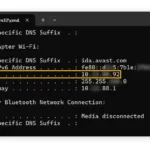
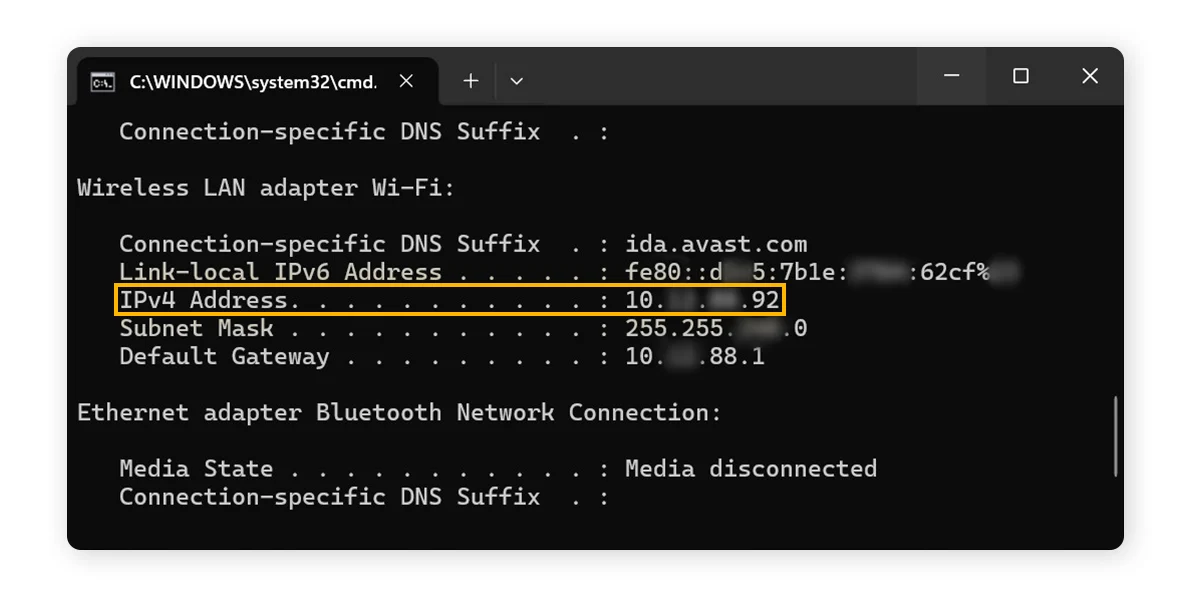
- Windows: Open Command Prompt and type
ipconfig. - Mac: Go to System Preferences > Network > Advanced > TCP/IP.
- Smartphones: Check Settings > Wi-Fi > Network Details.
- Online Services: Websites like “whatismyip” or “my IP” lookup tools instantly display your public IP, ISP, and location.
Using these methods, you can determine whether your IP is dynamic or static, which network you’re on, and even troubleshoot connection issues quickly.
Why “My IP” Matters for Privacy
While knowing your IP can be helpful, it’s also a privacy consideration. Your IP can reveal your approximate location to websites, advertisers, and even potential attackers. Using a VPN (Virtual Private Network) masks your real IP, giving you greater anonymity online.
Interestingly, even when masked, your ISP still knows your original IP. That’s why balancing convenience and privacy is key. For example, I recently switched to a VPN for remote work while traveling. It not only secured my connection but allowed me to access content as if I were in my home country.
Unlocking the Benefits of Your IP Address
What many people overlook is that your IP address isn’t just a number—it’s a gateway to optimizing your internet experience. From identifying faster servers, reducing latency, to enhancing cybersecurity measures, being aware of your IP gives you a subtle but powerful advantage. It’s like knowing the back doors and secret routes in a massive digital city; it helps you move more efficiently and safely.
Read More: 10.24.39 Understanding Its Digital Significance
Conclusion
Understanding my IP goes beyond technical curiosity—it’s a practical tool for security, connectivity, and online efficiency. Whether troubleshooting a connection, securing your network, or exploring content restrictions, your IP is central to your digital life. By knowing your IP, you gain insights into your internet setup and can make informed decisions about privacy, speed, and accessibility.
FAQs
1. Can my IP reveal my exact address?
No, your IP can only provide an approximate location, usually to the city or region level. Precise addresses require additional data.
2. How often does my IP change?
If you have a dynamic IP, it can change each time you connect to the internet or periodically as assigned by your ISP. Static IPs remain constant.
3. Is it safe to share my IP?
Generally, yes for everyday browsing, but sharing it publicly can expose you to potential cyber risks. Use discretion and privacy tools when needed.
4. How can I hide my IP?
Using a VPN, proxy server, or Tor browser can mask your IP, enhancing online anonymity and security.
5. Why does my IP show a different location than I am in?
This may happen due to VPN use, ISP routing, or mobile network assignments, which can make your IP appear in a different region.